What To Do When Your Car Starts Overheating In Albury Traffic
It often starts with a small change on the dashboard. The temperature gauge creeps higher than usual, or a warning light flickers while you are sitting in slow-moving traffic. In those moments, it can be difficult to know whether the issue is temporary or something more serious.
Overheating is understandably alarming, especially when you are surrounded by other vehicles and unable to pull over immediately. The combination of traffic, heat, and uncertainty can make the situation feel overwhelming.
Knowing how to respond in those first moments can make a significant difference to your engine’s health and help prevent further damage. For many drivers, having support from a trusted mechanic in Albury provides reassurance, clear guidance, and timely assistance, ensuring the problem is assessed early and addressed before it leads to costly or long-term mechanical issues.
When Your Temperature Gauge Spikes in Stop-Start Traffic
A sudden rise in engine temperature often happens during stop-start driving when airflow through the engine bay is reduced. Vehicles rely on steady movement to help cooling systems work efficiently, and repeated interruptions can quickly expose existing weaknesses within the system.
Drivers may notice subtle changes at first, such as the temperature gauge sitting slightly higher than usual. If ignored, these early signs can escalate and increase the risk of breakdown, particularly in heavy traffic. Recognising warning signs early allows drivers to take action before the situation worsens.
Common signs during traffic delays include:
- Temperature gauge climbing higher than normal
- Warning lights appearing on the dash
- Hot air coming through the vents
When these symptoms appear, it is important to stay calm, monitor the situation closely, and prepare to take safe action rather than pushing the vehicle to continue driving.
Early Warning Signs Your Engine Is About to Overheat
Overheating rarely occurs without warning, as most vehicles provide early indicators that something is not operating correctly. These signs are designed to alert drivers before serious damage occurs, making early attention an important part of protecting the engine. Paying close attention to small changes can help prevent a minor issue from escalating.
In many cases, warning signs appear intermittently at first, especially during heavier driving conditions such as traffic congestion or warmer weather. Because symptoms may come and go, they are sometimes dismissed as temporary.
Typical warning signs include:
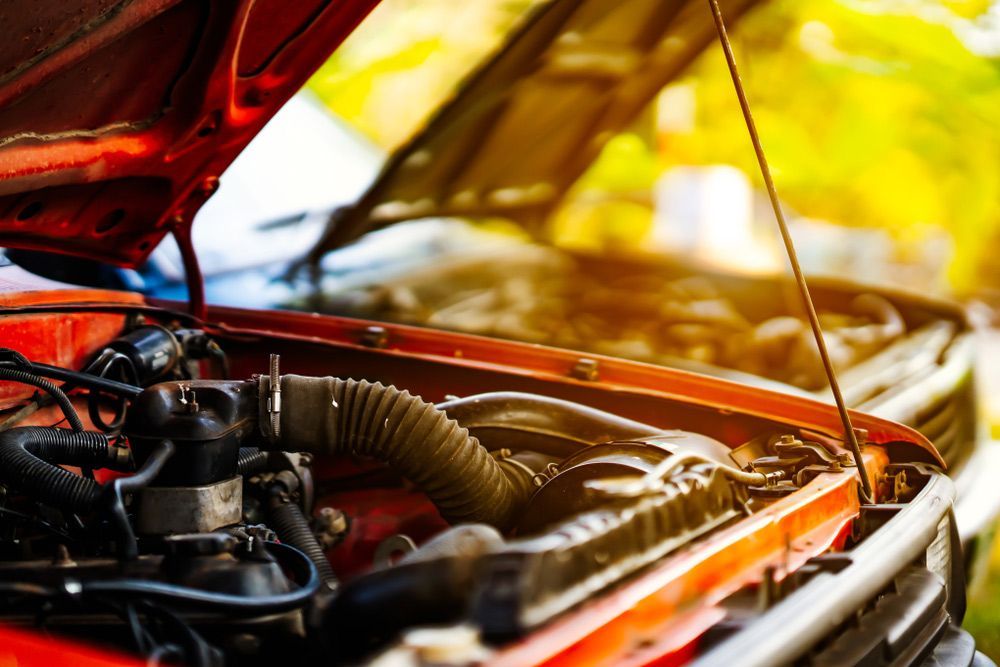
- Steam or vapour coming from under the bonnet
- Sweet or burning smells while driving or idling
- Reduced engine performance or hesitation
Ignoring these early signals can allow minor faults to develop into more serious problems. Regular inspections by an Albury mechanic help identify underlying issues before they lead to overheating or costly repairs.
What to Do Immediately If Your Car Starts Overheating
If you notice the engine temperature rising, taking immediate action can help limit damage and reduce the risk of serious mechanical issues. The primary goal is to lower heat levels and prevent further stress on the engine while keeping yourself and other road users safe.
Drivers should prioritise safety and manage the situation calmly, especially when driving in traffic or busy areas. Making controlled decisions helps avoid panic and allows the vehicle to cool as quickly as possible.
The recommended steps include:
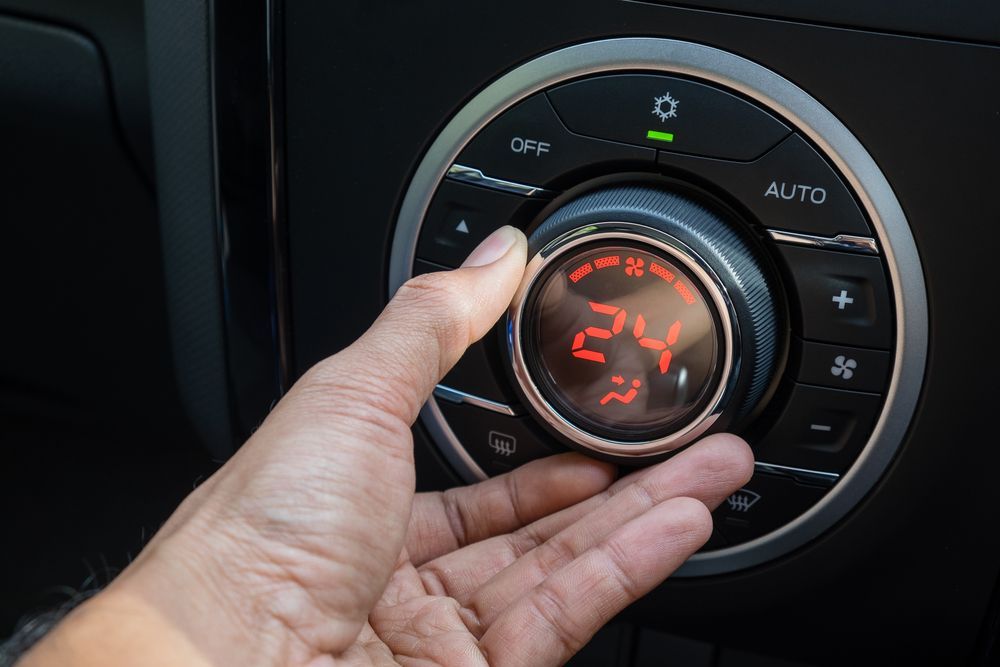
- Turn off the air conditioning to reduce engine load
- Turn on the heater to help draw heat away from the engine
- Find a safe place to pull over as soon as possible
- Switch off the engine once the vehicle has stopped
Avoid opening the bonnet immediately, as hot components and pressurised coolant can cause injury or burns.
Why Overheating Often Happens During Peak-Hour Driving
Peak-hour driving places additional strain on engines due to frequent stopping, idling, and limited airflow. Cooling systems work hardest under these conditions. Even vehicles that perform well on open roads may struggle when airflow is restricted.
Contributing factors include:
- Reduced airflow through the radiator
- Increased engine load at low speeds
- Cooling fans working harder than normal
Regular cooling system checks help ensure vehicles are prepared for demanding driving environments.
Common Mechanical Causes Behind an Overheating Engine
Several mechanical issues can cause a vehicle to overheat, and many of these problems develop gradually over time. Small faults within the cooling system may not be obvious at first, but they can worsen under stress, leading to rising engine temperatures. Identifying the root cause early is essential for effective and lasting repairs.
Common causes include:
- Coolant leaks or consistently low coolant levels
- Blocked, damaged, or corroded radiators
- Faulty thermostats that restrict coolant flow
- Failing cooling fans or worn water pumps
These issues are not always visible to drivers during everyday use. A professional inspection allows a mechanic to assess the entire cooling system, accurately diagnose the underlying problem, and carry out the correct repairs rather than relying on guesswork or temporary fixes.
Why Driving While Overheating Can Cause Serious Damage
Continuing to drive while the engine overheats can lead to significant, costly damage. Excessive heat affects engine components quickly.
Potential consequences include:
- Warped cylinder heads
- Blown head gaskets
- Engine seizure
Even short distances driven while overheating can cause lasting harm. Stopping early and seeking assistance from a mechanic in Albury helps protect the engine and avoid major repairs.
How a Mechanic Diagnoses Overheating Problems Accurately
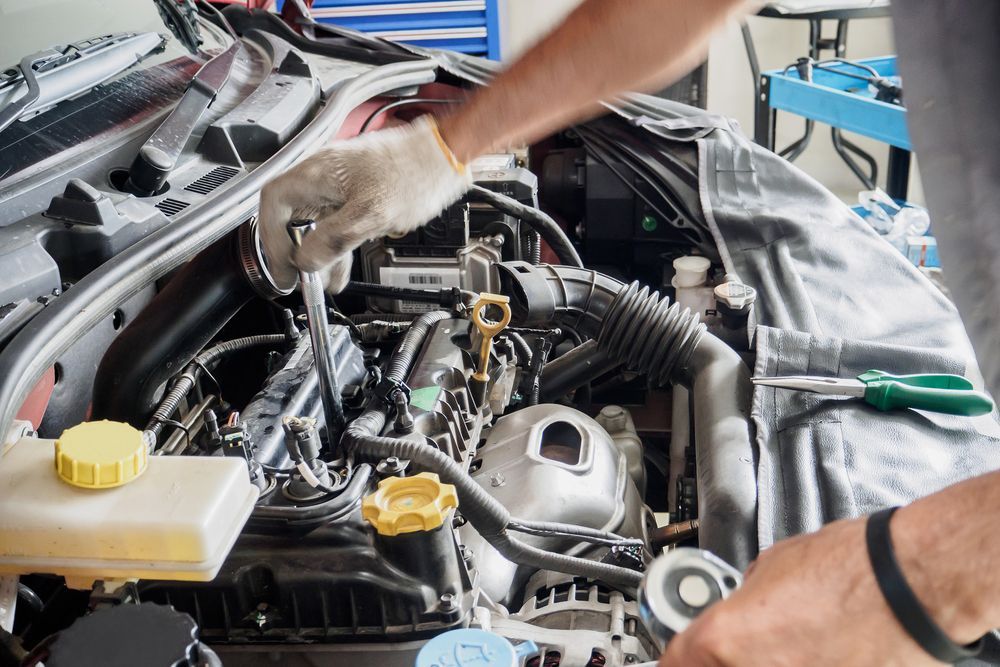
Diagnosing overheating requires a systematic approach. Mechanics assess the entire cooling system rather than focusing on a single component.
The diagnostic process can include:
- Pressure testing the cooling system
- Checking coolant quality & circulation
- Inspecting hoses, belts & fans
- Scanning for fault codes
This thorough process ensures repairs address the true cause of overheating, not just the symptoms.
Preventive Maintenance to Avoid Future Overheating Issues
Preventive maintenance is one of the most effective ways to avoid overheating. Routine servicing keeps cooling systems operating efficiently.
Helpful preventive steps include:
- Regular coolant flushes
- Inspection of hoses & belts
- Radiator & fan checks
- Addressing minor leaks early
Consistent servicing reduces the likelihood of breakdowns and extends engine life.
Talk to a Local Mechanic
At Cartech Australia, we help drivers manage overheating issues caused by traffic congestion, high temperatures, and everyday vehicle wear. With experience supporting local motorists, our team understands the importance of fast diagnosis and reliable repairs.
If you notice warning signs or want peace of mind from an Albury mechanic you can trust, contact us to book an inspection and keep your vehicle running safely and efficiently in local driving conditions.